ethics
Select an item by clicking its checkbox


Date Reviewed: August 21, 2020
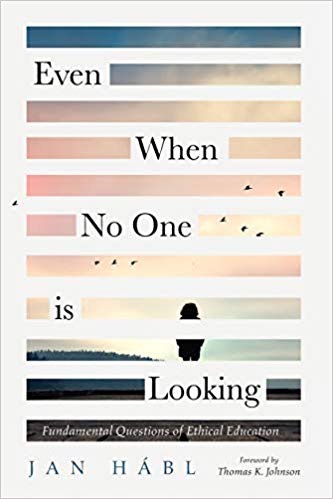
This book is not a list or an overview of various theories of ethics. Nor is it a didactic manual for specific teaching units on moral education aimed at some group based on age or a particular theme (although some educational frameworks will be proposed). As the title suggests, the book intends to seek the starting points or foundations without which no moral education would be possible. The goal is to formulate and tackle the key questions that precede all moral education. What makes “good vs. evil” language possible and meaningful? Can virtue be taught and learned? What makes our actions good? What is the condition of human nature? Are we naturally good, or evil? What constitutes an educator’s right to morally influence anyone else (not just a child)? What is the goal of moral education? What does a morally educated person look like? And how can we ensure the coveted moral result? Or—in the words of Jan Amos Comenius, the “teacher of nations”—how to educate a person to not only know what is good, but also to want what is good, and to do what is good “even when no one is looking?” (From the Publisher)
Dilemmas and Decisions (Online Review Copy Only)
Miller, Patrick F.
Brill Academic Publishers, Inc, 2018
Book Review
Tags: ethics
Date Reviewed: June 17, 2021
Such moral certainty is dangerously mistaken, breeding ...
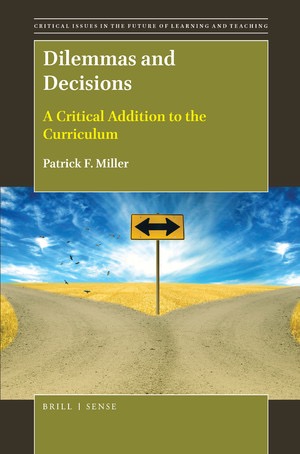
Such moral certainty is dangerously mistaken, breeding extremism and undermining democratic values. Education can become a kind of preparation for Multiple Choice Question-type exams or TV quizzes, with facts recalled under pressure of time and problems needing fast solutions.
Problems, however, are different from dilemmas; they have solutions and disappear as soon as these are found. Dilemmas leave you with an aftertaste and a sense of regret about the rejected alternative. (From the Publisher)